Malaysia has established itself as one of Southeast Asia's leading destinations for international business expansion. Its strategic location, multilingual workforce, competitive labor costs, and mature digital economy continue to attract multinational corporations, startups, and fast-growing businesses looking to build teams across the region.
However, hiring employees in Malaysia involves much more than agreeing on a monthly salary. Employers must understand local payroll regulations, statutory contributions, employee benefits, bonus practices, tax obligations, and employment laws to ensure compliance while remaining competitive in the local talent market.
Whether you are hiring your first employee or expanding an existing workforce, having a well-structured compensation strategy helps reduce compliance risks, improve employee satisfaction, and strengthen your employer brand.
What This Guide Covers
This guide explains:
- How employee compensation is structured in Malaysia
- Typical salary payment practices and payroll cycles
- Mandatory statutory contributions and employer obligations
- Common bonus structures and employee benefits
- Payroll compliance requirements for foreign employers
- Best practices for managing payroll efficiently
- How Slasify simplifies payroll and employment in Malaysia
Understanding Malaysia's Compensation Structure
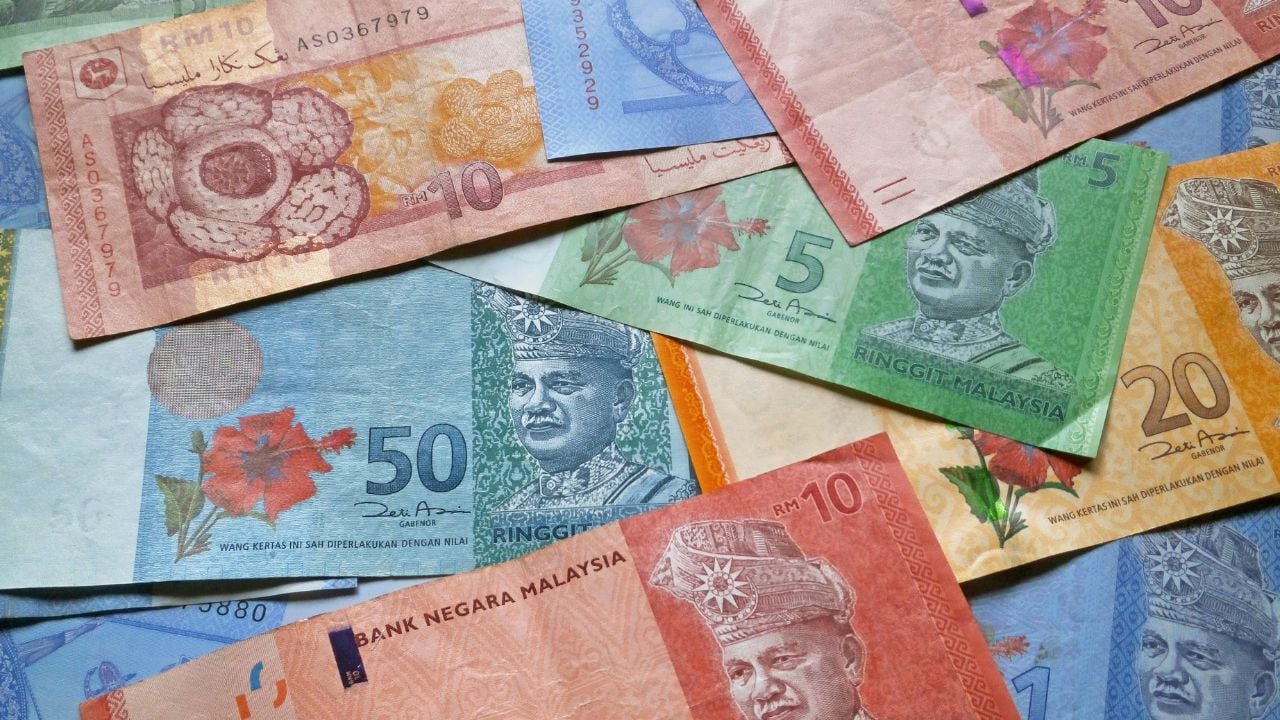
Employee compensation in Malaysia typically consists of several components beyond basic monthly salary. While employers have flexibility in designing compensation packages, certain statutory benefits and payroll contributions are mandatory under Malaysian law.
A competitive compensation package often combines fixed pay with performance incentives and additional employee benefits that improve retention and overall job satisfaction.
|
Compensation Component
|
Typical Practice
|
|
Base Salary
|
Fixed monthly salary
|
|
Annual Performance Bonus
|
Common but generally discretionary
|
|
Employees Provident Fund (EPF)
|
Mandatory (subject to eligibility)
|
|
Social Security Organisation (SOCSO)
|
Mandatory (subject to eligibility)
|
|
Employment Insurance System (EIS)
|
Mandatory (subject to eligibility)
|
|
Annual Leave
|
Statutory minimum based on years of service
|
|
Medical Benefits
|
Common employer-provided benefit
|
|
Transportation or Meal Allowances
|
Optional depending on company policy
|
|
Mobile or Internet Allowance
|
Common for hybrid and remote employees
|
Beyond statutory requirements, many employers also provide flexible benefits such as health insurance, professional development budgets, wellness allowances, flexible working arrangements, and additional leave to remain competitive in today's job market.
Salary Payments in Malaysia
Malaysia's Employment Act 1955 establishes the general framework governing salary payments and employee wages.
Employers are generally expected to:
- Pay employees at least once every month.
- Pay wages no later than seven days after the end of each wage period.
- Clearly specify salary terms within the employment contract.
- Maintain accurate payroll records.
- Issue itemized payslips showing earnings and deductions.
Today, most organizations process payroll electronically through direct bank transfers, ensuring employees receive their salaries securely and on time.
For multinational companies, implementing standardized payroll calendars and automated payroll systems helps minimize administrative errors while ensuring statutory submission deadlines are consistently met.
Mandatory Employer Contributions

One of the most important aspects of payroll compliance in Malaysia is understanding mandatory employer contributions. In addition to paying employee salaries, employers may be required to make statutory contributions to several government-managed schemes depending on employee eligibility.
These obligations should be factored into the total cost of employment before hiring begins.
|
Contribution
|
Purpose
|
Who Contributes?
|
|
Employees Provident Fund (EPF)
|
Retirement savings
|
Employer and employee
|
|
Social Security Organisation (SOCSO)
|
Employment injury and social protection
|
Employer and employee
|
|
Employment Insurance System (EIS)
|
Financial assistance during unemployment
|
Employer and employee
|
Employees Provident Fund (EPF)
The Employees Provident Fund (EPF), administered by the Employees Provident Fund Organisation (KWSP), is Malaysia's national retirement savings scheme.
Eligible employers and employees contribute a percentage of monthly wages into the employee's retirement account. Contribution rates vary depending on factors such as employee age, salary levels, and prevailing government regulations.
EPF helps employees build long-term financial security while forming a core component of Malaysia's employment framework.
Social Security Organisation (SOCSO)
SOCSO, administered by PERKESO, provides financial protection for employees who experience workplace injuries, occupational diseases, disabilities, or death arising from employment.
Benefits include:
- Employment injury protection
- Medical treatment
- Temporary disability benefits
- Permanent disability compensation
- Dependants' benefits
- Rehabilitation support
Contribution rates are determined according to employee earnings and applicable contribution schedules.
Employment Insurance System (EIS)
The Employment Insurance System (EIS) supports employees who lose their jobs involuntarily by providing temporary financial assistance and employment services.
The program includes:
- Temporary income replacement
- Career counseling
- Skills training
- Job placement assistance
Employers and employees both contribute through monthly payroll deductions according to statutory contribution schedules.
Bonuses in Malaysia
Unlike statutory contributions, bonuses are generally not legally required unless specifically stated within:
- Employment contracts
- Collective agreements
- Company policies
Nevertheless, bonuses remain an important part of employee compensation across many Malaysian industries and are widely used to reward performance and improve retention.
Annual Performance Bonus
The most common bonus arrangement is the annual performance bonus.
Bonus amounts are typically determined by factors such as:
- Individual performance
- Team achievements
- Company profitability
- Business performance
- Management discretion
Many organizations distribute bonuses after completing their financial year or during year-end payroll.
Contractual Bonuses
Some employers offer guaranteed bonuses as part of the employment package.
These may include:
- Guaranteed one-month bonuses
- Sign-on bonuses
- Retention bonuses
- Completion bonuses
- Project incentives
Because these bonuses form part of the employment contract, employers are generally obligated to fulfill them according to the agreed terms.
Sales Incentives and Commission
Sales and business development professionals often receive additional incentive payments linked to performance.
Common structures include:
- Monthly commissions
- Quarterly sales incentives
- Annual achievement bonuses
- Revenue-sharing arrangements
Clearly documenting commission structures within employment agreements helps reduce disputes and improve transparency.
Mandatory Employee Benefits in Malaysia

Beyond salaries and statutory contributions, employers are required to provide several minimum employment benefits under Malaysia's Employment Act 1955. Offering competitive benefits not only helps businesses remain compliant but also strengthens employee retention in an increasingly competitive talent market.
Annual Leave
Eligible employees are entitled to paid annual leave, with the minimum entitlement increasing based on their length of service.
|
Length of Service
|
Minimum Annual Leave
|
|
Less than 2 years
|
8 days
|
|
2 to 5 years
|
12 days
|
|
More than 5 years
|
16 days
|
Many multinational companies exceed these statutory minimums as part of their employee value proposition, particularly when competing for highly skilled professionals.
Sick Leave
Employees are entitled to paid sick leave when certified by a registered medical practitioner.
The minimum entitlement depends on years of service.
|
Length of Service
|
Paid Sick Leave
|
|
Less than 2 years
|
14 days
|
|
2 to 5 years
|
18 days
|
|
More than 5 years
|
22 days
|
|
Hospitalisation (if certified)
|
Up to 60 days
|
Many employers also provide outpatient medical coverage or private health insurance as additional benefits.
Maternity Leave
Eligible female employees are entitled to 98 consecutive days of paid maternity leave under Malaysian employment law.
Employers should ensure their maternity policies align with statutory requirements while also establishing clear procedures for leave applications and return-to-work arrangements.
Paternity Leave
Eligible married male employees are entitled to 7 consecutive days of paid paternity leave for each childbirth, subject to the conditions prescribed under the Employment Act.
Many employers voluntarily provide longer paternity leave as part of broader family-friendly workplace policies.
Public Holidays
Employees are generally entitled to paid public holidays each year, including several mandatory national holidays and additional holidays observed by individual states.
These commonly include:
- Hari Merdeka (National Day)
- Malaysia Day
- Labour Day
- Hari Raya Aidilfitri
- Chinese New Year
- Deepavali
- Christmas
- Wesak Day
Because public holidays differ between Malaysian states, employers should maintain localized holiday calendars when managing distributed teams.
Payroll Taxes and Employee Deductions
Processing payroll in Malaysia involves more than calculating salaries. Employers must ensure statutory deductions are calculated accurately and submitted within the prescribed deadlines.
Typical payroll deductions include:
|
Payroll Item
|
Purpose
|
|
Monthly Tax Deduction (PCB/MTD)
|
Individual income tax withholding
|
|
EPF Contributions
|
Retirement savings
|
|
SOCSO Contributions
|
Social security protection
|
|
EIS Contributions
|
Employment insurance
|
Employers are responsible for calculating these deductions accurately before paying employee salaries.
Late or inaccurate submissions may result in penalties, interest charges, or additional compliance obligations.
Best Practices for Paying Employees in Malaysia
A compliant payroll process goes beyond meeting minimum legal obligations. Companies should establish standardized payroll procedures that minimize administrative errors while providing employees with transparency and confidence.
Recommended best practices include:
- Maintain detailed payroll records.
- Issue itemized electronic payslips every pay cycle.
- Process salaries consistently according to an established payroll calendar.
- Monitor updates to employment and tax regulations.
- Regularly review employment contracts and compensation structures.
- Automate payroll calculations where possible.
- Conduct periodic payroll compliance audits.
Organizations hiring across multiple countries often centralize payroll processes to improve efficiency while ensuring local compliance.
Common Payroll Mistakes Foreign Employers Should Avoid
Expanding into Malaysia presents significant opportunities, but unfamiliarity with local employment regulations can expose businesses to unnecessary risks.
Some of the most common payroll mistakes include:
Incorrect Statutory Contributions
Using outdated contribution rates or applying incorrect contribution categories can lead to underpayments and compliance issues.
Late Salary Payments
Employers must ensure salaries are paid within the legally prescribed timeframe. Delays can affect employee trust and potentially result in regulatory consequences.
Miscalculating Bonuses
Where bonuses form part of an employment contract or company policy, employers should ensure payments are calculated consistently and according to agreed terms.
Poor Payroll Documentation
Incomplete payroll records or missing payslips may complicate audits and employment disputes.
Maintaining comprehensive payroll documentation supports both compliance and operational efficiency.
How Slasify Simplifies Payroll in Malaysia
Managing payroll across multiple countries requires navigating different employment laws, tax regulations, statutory contributions, currencies, and reporting requirements.
Slasify helps businesses simplify international hiring by providing a centralized platform for compliant workforce management.
With Slasify, businesses can:
- Hire employees without establishing a local entity through Employer of Record (EOR) services.
- Manage compliant payroll in Malaysia and more than 150 countries.
- Process payroll across 130+ currencies through a single platform.
- Handle statutory contributions, tax requirements, and local compliance with confidence.
- Streamline onboarding, contracts, and employee lifecycle management while reducing administrative complexity.
Whether you're hiring one employee or building a regional workforce, Slasify enables businesses to scale internationally while minimizing compliance risks.
Pay Employees in Malaysia with Confidence
Malaysia continues to attract international employers thanks to its skilled workforce, competitive operating environment, and strategic position within Southeast Asia.
However, paying employees compliantly requires more than transferring monthly salaries. Employers must understand statutory contributions, employee benefits, payroll deductions, employment regulations, and evolving compliance requirements to operate successfully.
By establishing well-structured compensation packages, maintaining accurate payroll processes, and staying aligned with Malaysian employment laws, businesses can build stronger teams while reducing regulatory risks.
For organizations seeking a faster and more efficient route into Malaysia, partnering with an Employer of Record like Slasify provides the infrastructure needed to hire, pay, and manage employees compliantly without establishing a local entity.
Ready to hire and pay employees in Malaysia with confidence? Contact Slasify today to discover how our global Employer of Record and payroll solutions can support your international expansion.
FAQs About Paying Employees in Malaysia
1. How often are employees paid in Malaysia?
Employees are typically paid once per month. Under the Employment Act 1955, wages should generally be paid no later than seven days after the end of the wage period.
2. Are employers required to pay bonuses in Malaysia?
No. Bonuses are generally discretionary unless they are guaranteed under an employment contract, collective agreement, or company policy.
3. What statutory contributions do employers make in Malaysia?
Depending on employee eligibility, employers may be required to contribute to the Employees Provident Fund (EPF), Social Security Organisation (SOCSO), and Employment Insurance System (EIS).
4. Can foreign companies hire employees in Malaysia without establishing a local entity?
Yes. Businesses can hire employees through an Employer of Record (EOR), which acts as the legal employer while managing payroll, employment contracts, and compliance on the company's behalf.
5. What employee benefits are mandatory in Malaysia?
Mandatory benefits include statutory annual leave, sick leave, maternity leave, applicable paternity leave, public holidays, and required statutory contributions under Malaysian employment laws.
6. What is included in a typical compensation package in Malaysia?
Most compensation packages include a fixed monthly salary, statutory contributions, annual performance bonuses (where applicable), paid leave, and additional company benefits such as medical insurance or allowances.
7. Why should businesses use an Employer of Record in Malaysia?
An Employer of Record simplifies international expansion by handling employment contracts, payroll, statutory contributions, tax compliance, and HR administration, allowing businesses to hire quickly without establishing a local legal entity.