Key Takeaways
- India’s central government holiday list for 2026 has 18 dates for its offices in Delhi: the 17 notified in July 2025, plus Ambedkar Jayanti on Tuesday, April 14, declared in April by a memorandum of its own. Three of them are the national holidays: Republic Day, Independence Day, and Gandhi Jayanti.
- That list binds central government offices. A private company takes its paid holidays from the law of the state it operates in, so a gazetted holiday is mandatory for it only where state law or its own policy says so.
- In Maharashtra, home to Mumbai and Pune, the Shops and Establishments Act gives the workers it covers 8 paid festival holidays a year: January 26, May 1, August 15, and October 2, plus 4 agreed with the staff before the year begins.
- A Maharashtra worker who works on one of those days is owed double the daily average wage and a day off in lieu. Overtime is a separate rule, paid at twice the normal rate under the labor codes in force since November 21, 2025, and under state law such as Maharashtra’s Act. Each law defines the staff it applies to, so check which rule covers each role before assuming a salaried manager is excluded.
- Dates that follow the moon can move after the list is published: Bakrid shifted from May 27 to May 28, 2026, for central government offices in Delhi. Bank holidays run on their own state-by-state calendar, published by the Reserve Bank of India (RBI), and a bank holiday can delay salary credits even when your office is open.
Updated: September 2026
India Public Holidays in 2026: The Short Answer
India does not have one holiday calendar for everyone. The central government’s 2026 list gives its offices in Delhi 18 public holidays: the 17 notified on July 3, 2025, plus Ambedkar Jayanti on Tuesday, April 14, which the Department of Personnel and Training (DoPT) declared on April 9, 2026, in a memorandum of its own. Three of them are national holidays: Republic Day on Monday, January 26, Independence Day on Saturday, August 15, and Gandhi Jayanti on Friday, October 2.
A private company does not take its paid holidays from that list. They are set by the law of the state it operates in, so the number and the fixed dates change from one state to the next. In Maharashtra, the Shops and Establishments Act gives workers eight paid festival holidays a year, four fixed by law and four agreed with the staff. Maharashtra is the state this guide works through in full, because it covers Mumbai and Pune and because its Act sets out the entitlement, the pay for working a holiday, and the penalty in one place. Where another state differs, we name its law rather than print a figure we cannot source to that state.
The central dates come from the DoPT, which published the 2026 list on July 3, 2025, and from two changes made during 2026: Ambedkar Jayanti was declared in April, and Bakrid (Id-ul-Zuha) moved from May 27 to May 28. We act as the legal employer for companies hiring in India, and every date and pay rule on this page is sourced to an official government publication.
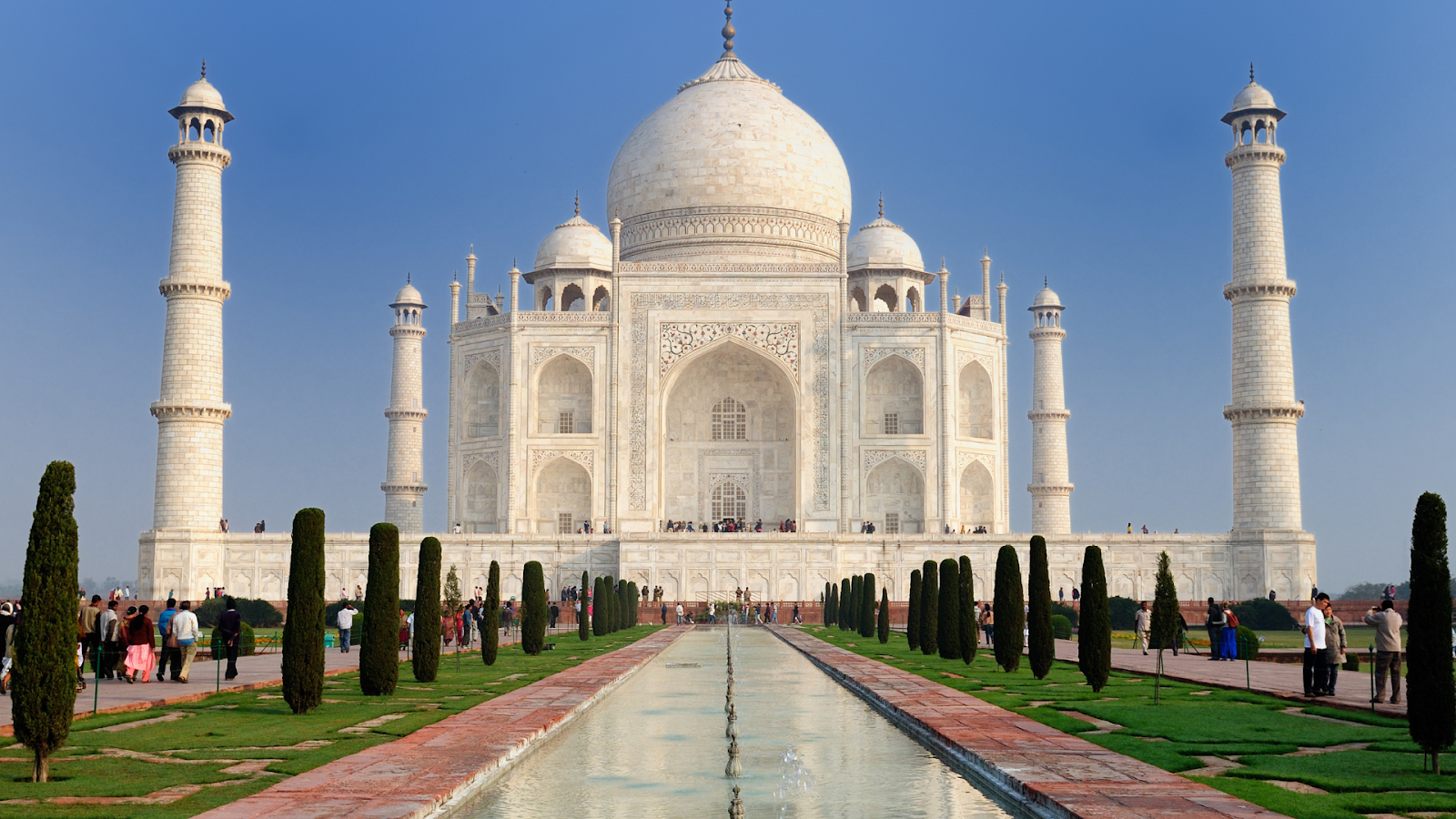
The 2026 Central Government Holiday List

The table below is Annexure I of the DoPT office memorandum of July 3, 2025, which covers the administrative offices of the central government in Delhi and New Delhi, with the two 2026 changes applied. Every central government office observes the 14 holidays marked compulsory and adds three from a list of 12 optional festivals. For Delhi, DoPT picked Holi, Ram Navami, and Janmashtami. Elsewhere, the three are picked state by state by the Central Government Employees Welfare Coordination Committee in each state capital, so other states may differ.
Date |
Day |
Holiday |
Status |
January 26, 2026 |
Monday |
Republic Day |
Compulsory, national holiday |
March 4, 2026 |
Wednesday |
Holi |
Chosen for Delhi |
March 21, 2026 |
Saturday |
Id-ul-Fitr |
Compulsory |
March 26, 2026 |
Thursday |
Ram Navami |
Chosen for Delhi |
March 31, 2026 |
Tuesday |
Mahavir Jayanti |
Compulsory |
April 3, 2026 |
Friday |
Good Friday |
Compulsory |
April 14, 2026 |
Tuesday |
Birthday of Dr. B.R. Ambedkar (Ambedkar Jayanti) |
Declared by its own memorandum on April 9, 2026, for all central government offices |
May 1, 2026 |
Friday |
Buddha Purnima |
Compulsory |
May 28, 2026 |
Thursday |
Id-ul-Zuha (Bakrid) |
Compulsory, moved from Wednesday, May 27 |
June 26, 2026 |
Friday |
Muharram |
Compulsory |
August 15, 2026 |
Saturday |
Independence Day |
Compulsory, national holiday |
August 26, 2026 |
Wednesday |
Milad-un-Nabi or Id-e-Milad (Birthday of Prophet Mohammad) |
Compulsory |
September 4, 2026 |
Friday |
Janmashtami (Vaishnava) |
Chosen for Delhi |
October 2, 2026 |
Friday |
Mahatma Gandhi’s Birthday (Gandhi Jayanti) |
Compulsory, national holiday |
October 20, 2026 |
Tuesday |
Dussehra |
Compulsory |
November 8, 2026 |
Sunday |
Diwali (Deepavali) |
Compulsory |
November 24, 2026 |
Tuesday |
Guru Nanak’s Birthday |
Compulsory |
December 25, 2026 |
Friday |
Christmas Day |
Compulsory |
Sources: DoPT office memorandum F.No.12/2/2023-JCA of July 3, 2025, Annexure I and paragraph 2, for the 17 original dates, in the copy circulated by the Indian Council of Agricultural Research; DoPT office memorandum F.No.12/4/2020-JCA of April 9, 2026, for Ambedkar Jayanti, declared for all central government offices, including industrial establishments, throughout India, in the copy circulated by Kendriya Vidyalaya Sangathan, which encloses the memorandum in full; and the Press Information Bureau notice of May 22, 2026, moving Bakrid to May 28 for central government offices in Delhi. The days of the week match the memoranda and were checked against the calendar.
Three of the 17 original dates fall on a weekend in 2026: Id-ul-Fitr on Saturday, March 21, Independence Day on Saturday, August 15, and Diwali on Sunday, November 8. The memorandum rules out a substitute holiday when a festival holiday lands on a weekly off. For private staff, that question is for the state law and, where the state law is silent, for your own written rule. The four Islamic holidays, Id-ul-Fitr, Id-ul-Zuha, Muharram, and Id-e-Milad, follow the sighting of the moon, and the memorandum lets their dates change at short notice: for Delhi through an announcement by the ministry, and for other states through the coordination committee, following the state government’s date.
Restricted Holidays
Alongside the fixed list, each central government employee may take any two days from a list of restricted holidays, 34 occasions for Delhi in 2026, running from New Year’s Day on January 1 to Christmas Eve on December 24. The memorandum gives that allowance to central government employees. A private employee has it only if the employer’s own policy adopts it.
Which Holidays Are Mandatory for Private Companies

The central list is written for government offices. Paid holidays in the private sector are set state by state, through state shops and establishments laws, state national and festival holidays laws, or both. That is why the answer to “which holidays are compulsory for a private company” starts with where the company, and the employee, are based.
Maharashtra: Eight Paid Festival Holidays
Section 18(7) of the Maharashtra Shops and Establishments (Regulation of Employment and Conditions of Service) Act, 2017 entitles each worker it covers to eight paid festival holidays in a calendar year:
- Four fixed by the Act: January 26, May 1, August 15, and October 2.
- Four more agreed between the employer and the workers, to suit the nature of the business, before the year begins.
- Each holiday is paid at the worker’s daily average wage for the month it falls in, excluding overtime.
The Act’s “worker” is someone employed to do manual, unskilled, skilled, technical, operational, or clerical work, and section 3(11) excludes workers in confidential, managerial, or supervisory positions, whom the employer has to list on its website, or at the workplace if it has none, and report to the Facilitator appointed under the Act. Their paid holidays come from the employment contract rather than from the Act.
The Act applies in full to shops, offices, and other establishments that meet its minimum headcount. Smaller establishments are covered only by the duty to notify the authorities and to display a name board in Marathi. Breaching the holiday rules brings a penalty under section 29, and that section caps it at INR 2,000 for every worker the establishment employs. Inside that cap, section 29 allows up to INR 100,000 for a breach, up to INR 2,000 more for each day it continues, and up to INR 200,000 for a second or later breach. A small establishment never reaches those headline figures, because the per-worker cap decides the bill first. Since the Maharashtra Jan Vishwas (Amendment of Provisions) Act, 2025 came into force on December 31, 2025, these are penalties set by an adjudicating officer rather than fines imposed by a court.
State governments also publish public holiday lists for their own offices, and Maharashtra is one of them: the Mumbai Metropolitan Region Development Authority (MMRDA), a state government authority, publishes the 2026 list it follows. Lists like that govern government offices. A private establishment covered by the Act owes the eight days it sets, and a government list is a natural place to choose its four agreed holidays from.
Other States
Other states set their own number of paid holidays and their own fixed days. Karnataka, for example, has a separate national and festival holidays law for industrial establishments, the Karnataka Industrial Establishments (National and Festival Holidays) Act, 1963, alongside its Shops and Commercial Establishments Act, 1961, whose holiday section deals with weekly holidays. Before you publish a holiday calendar for a team in a new state, read that state’s law rather than the central list.
Who Has to Give Which Holidays in 2026
Employer |
Paid holidays in 2026 |
What is fixed |
Source |
Central government offices in Delhi and New Delhi |
18 |
The 17 original dates in the table above, plus Ambedkar Jayanti on April 14. Each employee may add 2 restricted holidays. |
DoPT memoranda of July 3, 2025, and April 9, 2026 |
Central government offices elsewhere in India |
18 |
14 compulsory holidays, 3 chosen by the state’s coordination committee, plus Ambedkar Jayanti |
DoPT memorandum of July 3, 2025, paragraphs 2 and 3.1; memorandum of April 9, 2026 |
Central government industrial, commercial, and trading establishments |
Up to 16, plus April 14 |
Republic Day, Independence Day, and Gandhi Jayanti are compulsory. The establishment sets the rest. |
DoPT memorandum of July 3, 2025, paragraph 7; memorandum of April 9, 2026 |
Private establishments in Maharashtra under the Shops and Establishments Act |
8 |
January 26, May 1, August 15, and October 2, plus 4 agreed before the year begins |
Maharashtra Shops and Establishments Act, 2017, section 18(7) |
Banks |
Varies by state |
Holidays under the Negotiable Instruments Act, 1881, for each RBI regional office |
Reserve Bank of India bank holiday calendar |
Sources: the DoPT office memorandum of July 3, 2025, paragraphs 1, 2, 3.1, and 7, in the copy circulated by the Indian Council of Agricultural Research; the DoPT office memorandum of April 9, 2026, in the copy circulated by Kendriya Vidyalaya Sangathan; section 18(7) of the Maharashtra Shops and Establishments Act, 2017; and the Reserve Bank of India’s bank holiday calendar.
Working on a Public Holiday: Pay, Days Off, and Overtime
Holiday work and overtime are two separate rules. They are easy to mix up, because both pay double, though each covers a different group of staff.
Holiday Work Is Set by the State
In Maharashtra, an employer may ask a worker to work on any of the eight festival holidays, on the two conditions in section 18(7): the worker is paid double the daily average wage for the day, and also gets a day off on another date in lieu of the holiday. The Act requires both. Paying double without the day off, or giving the day off without the double pay, falls short of it.
Other states set their own compensation for holiday work in their own laws, so the Maharashtra rule does not carry across state lines. Check the law of the state where the employee works before you roster anyone on a holiday.
Overtime Is Set by the Labor Codes and by State Law
Overtime falls under India’s four labor codes, which the central government made effective on November 21, 2025, bringing 29 earlier labor laws into four codes. Section 14 of the Code on Wages, 2019 requires hours worked beyond a normal working day to be paid at not less than twice the normal rate of wages, and it opens with the words “Where an employee whose minimum rate of wages has been fixed under this Code”, so that double rate is tied to employees whose minimum wage is fixed under the Code. The same Code counts supervisory, managerial, and administrative staff as employees and requires a minimum wage for every employee, so how far that condition narrows the rate is not settled. Section 27 of the Occupational Safety, Health and Working Conditions Code, 2020 (the OSH Code) sets the same double rate for workers in establishments, counted by the day or by the week, whichever favors the worker, and overtime needs the worker’s consent.
The second route has a limit written into it: it pays “workers”, and section 2(1)(zzl) of the same Code excludes from that word anyone employed mainly in a managerial or administrative capacity, and anyone in a supervisory capacity paid above the wage the Code names, which it sets at INR 18,000 a month unless the central government notifies a different amount. So a salaried manager hired in India may fall outside the OSH Code’s double rate, and whether section 14 of the Code on Wages reaches that manager is not settled, so the contract should say how extra hours are paid.
If you have seen section 59 of the Factories Act, 1948 cited for the overtime rate, that Act was repealed by the Occupational Safety, Health and Working Conditions Code, which took effect with the other codes on November 21, 2025. The rate is still double for the workers the Code covers.
State law sets overtime as well. In Maharashtra, section 15 of the Shops and Establishments Act pays the workers it covers twice the ordinary rate of wages for hours beyond the daily and weekly limits the Act sets, and caps the total overtime hours a worker can do in a period of three months. Check the limits in force before you plan regular overtime there, and in other states, read the state’s own shops and establishments law.
Polling Days Are Paid Holidays
Election days work differently, because the paid holiday comes from central law. Under section 135B of the Representation of the People Act, 1951, every person employed in a business, trade, industrial undertaking, or any other establishment who is entitled to vote in a Lok Sabha or state assembly election, or in a bye-election, gets a paid holiday on polling day, with no deduction from wages. Under sub-section (3), an employer who contravenes that is punishable with a fine of up to INR 500, and the Election Commission has said the right covers voters who work outside their own constituency. Sub-section (4) carries the one carve-out: the section does not apply to an elector whose absence may cause danger or substantial loss in the employment they are engaged in, which is the provision to look at if you hold essential cover on a polling day. In April 2026, that meant polling days in Assam, Kerala, and Puducherry on April 9, Tamil Nadu on April 23, and West Bengal on April 23 and 29, with bye-elections in six other states.
Workforce Planning Around Indian Holidays
Because holidays change from state to state, planning starts with where each person works, then moves on to the holiday clusters, the bank closures, and shift cover.
- State-level variations: Record each employee’s work location, state and city, and map it to the right holiday list. That prevents mismatched leave rules and payroll errors, especially in remote teams.
- Holiday clusters: Plan capacity around peak periods such as Holi, Diwali, Durga Puja, and Eid, when leave requests rise and travel days can stretch an absence beyond the holiday itself.
- Bank closures: Set approval cutoffs and pay dates against the bank holiday calendar that the RBI publishes, because a bank holiday can delay salary credits even when your office is open.
- Shift and support work: If you run shifts or support customers around the clock, publish a holiday-work policy covering pay, days off in lieu, and overtime, and publish rosters early, so coverage gaps show up before the holiday.
Mark the weeks that matter most to the business, such as a logistics peak, high-volume customer service, or a product launch, check who is off in each state, and publish your holiday policy before the year starts. In Maharashtra, that timing is a legal requirement for the four agreed festival holidays, which have to be settled before the year begins.
The same questions come up in every country you hire in. Our Indonesia public holiday and payroll guide covers them for Indonesia.
Payroll and Compliance Considerations

Holiday calendars and bank closures both differ by state, so the payroll timeline, approvals, and payment dates have to follow where each person works.
- Keep a separate holiday calendar for each state, so leave, attendance, and payroll cutoffs line up with each employee’s location.
- Match salary credit dates to the bank holidays in each state. Some companies bring cutoffs and pay dates forward to one common date across all states to keep the pay run simple.
- Track holiday work, days off in lieu, and overtime approvals in one system. In Maharashtra, a worked festival holiday creates two obligations, the double pay and the day off, and both need a record.
- Keep employment and payroll records ready for inspections and employee disputes.
- If your team mixes direct hires with people employed through an Employer of Record (EOR), keep work location, attendance, and approval records for both groups on the same basis.
A regular internal check helps: the next payroll cutoffs and pay dates, upcoming holiday clusters, each employee’s entitlements, and shift cover. Our global payroll service can take that work on.
Bank Holidays Follow Their Own Calendar
Salary credits depend on bank working days, and bank holidays follow a calendar of their own. They are the holidays under the Negotiable Instruments Act, 1881, which the RBI publishes for each of its regional offices, so they vary by state and can close banks on a day your office is open. On Monday, September 14, 2026, the day of Ganesh Chaturthi, the RBI calendar showed a bank holiday in Mumbai, Bengaluru, and Chennai, and none in New Delhi. Set payroll cutoffs and approvals against the bank calendar for each state you pay into.
Managing Holidays for a Distributed Team in India
Scenario: A company is based in Mumbai, and one employee works remotely from Bengaluru. Which state’s public holidays should that employee get?
Base the entitlement on where the employee works, which here means Karnataka’s holiday rules, and write that choice into the employment contract. State holiday laws are written for workplaces in that state: Maharashtra’s Act extends to Maharashtra, and a home office in Bengaluru is outside it. Setting the calendar by work location, and recording it, is the position that is easiest to defend if an employee or an inspector asks.