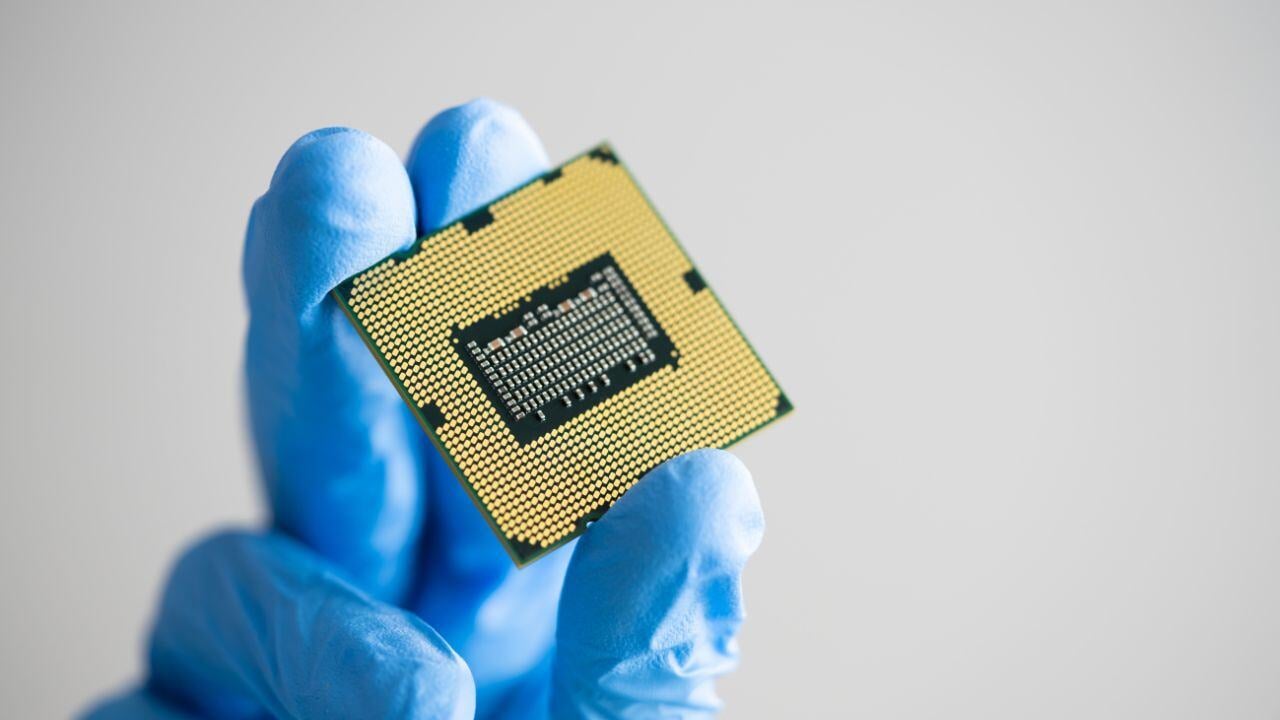
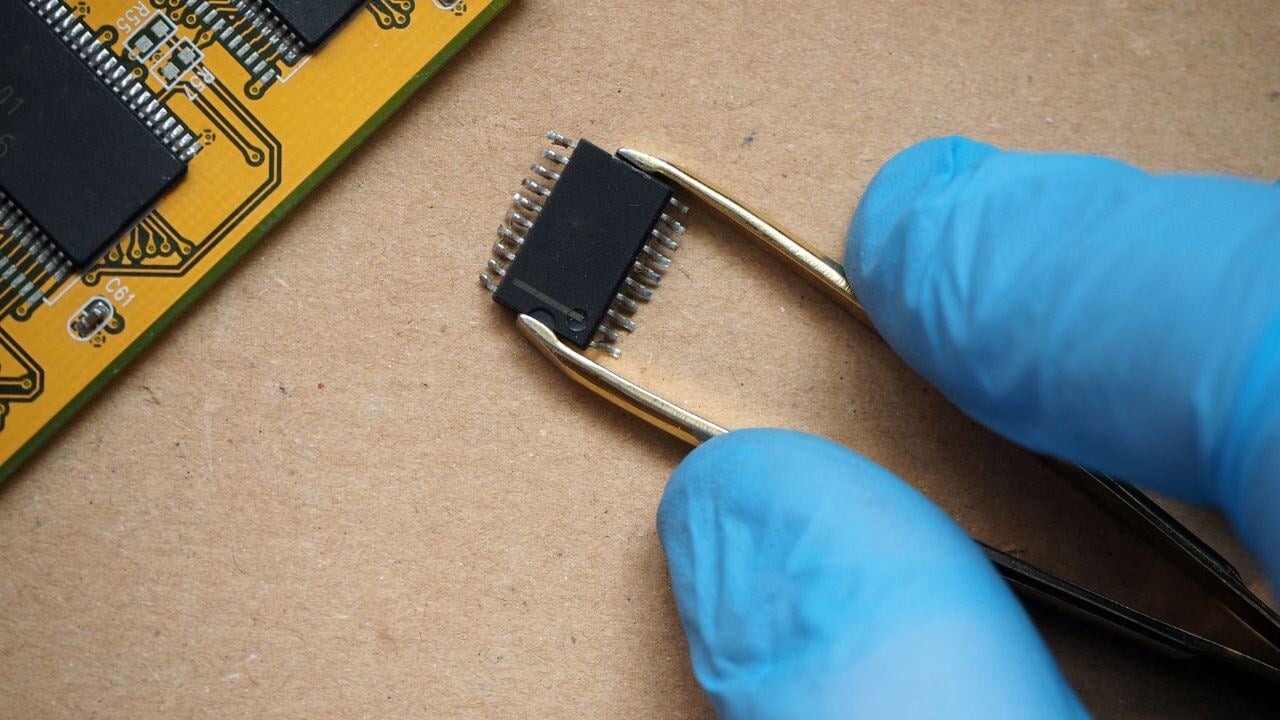
Malaysia's semiconductor industry is built on the back end of chipmaking: assembling, testing, and packaging chips. The government's strategy now aims to move it further into chip design, advanced packaging, and wafer fabrication.
Malaysia's electrical and electronic (E&E) exports reached RM712.3 billion in 2025, up 18.4% on 2024, on final figures from the Department of Statistics Malaysia (DOSM). On the Ministry of Investment, Trade and Industry's (MITI's) preliminary count, E&E made up 44.3% of all exports.
According to the Malaysian Investment Development Authority (MIDA), Malaysia handles 13% of global assembly, testing, and packaging (ATP) volume and ranks as the sixth-largest semiconductor exporter.
The 2024 National Semiconductor Strategy sets targets of at least RM500 billion of investment and 60,000 high-skilled Malaysian engineers by 2030, backed by at least RM25 billion in government fiscal support.
Companies hiring engineers in Malaysia can employ them through an Employer of Record before setting up a local company. We do it through our own company in Malaysia.
Malaysia's semiconductor industry is one of the world's main back-end hubs. MIDA puts its share of global assembly, testing, and packaging volume at 13%, and electrical and electronic exports reached RM712.3 billion in 2025, up 18.4%, on DOSM's final count.
The government's National Semiconductor Strategy now aims for at least RM500 billion of investment and 60,000 high-skilled Malaysian engineers by 2030, to move the industry from assembly and testing toward chip design, advanced packaging, and wafer fabrication.
1. A 50-Year Track Record
Malaysia's semiconductor industry started in 1972, when Intel opened its first overseas production facility there. Multinationals including AMD, Robert Bosch, Micron, and Infineon followed, and Malaysian companies such as Inari, ViTrox, Oppstar, SkyeChip, and Pentamaster grew up alongside them, according to the government's National Semiconductor Strategy.
That history is why Malaysia is strongest at the back end of chipmaking: assembling, testing, and packaging chips designed and fabricated elsewhere. The government now wants to move further up the value chain, into chip design, advanced packaging, and wafer fabrication.
2. Malaysia's Semiconductor Sector in Figures
Measure
Figure
Source and date
E&E exports, 2025 (final)
RM712.3 billion, up RM110.7 billion, or 18.4%, on 2024
National Semiconductor Strategy investment target (set in 2024)
At least RM500 billion by 2030
National Semiconductor Strategy (MITI, 2024)
Engineer training target (set in 2024)
60,000 high-skilled Malaysian engineers by 2030
National Semiconductor Strategy (MITI, 2024)
Government fiscal support
At least RM25 billion
National Semiconductor Strategy (MITI, 2024)
All sources read November 25 and 26, 2026. DOSM's July 30, 2026 figures are final. MITI's January 20, 2026 figures are preliminary and are shown for the E&E share and integrated circuits, which the final release summary does not break out. The MIDA figures are as published on October 2, 2025.
3. Malaysia's Role in the Global Semiconductor Supply Chain
The National Semiconductor Strategy describes Malaysia as "strategically positioned at the crossroads of major Asian markets," with modern industrial parks and efficient logistics networks. It points to the industrial parks in Kulim, Batu Kawan, and Bayan Lepas as examples; Batu Kawan and Bayan Lepas are in Penang, and Kulim is in neighboring Kedah. In 2025, Malaysia added the most export value to the United States, Taiwan, Singapore, and the European Union, according to DOSM's final trade figures.
For a company already selling into Asia, a Malaysian base puts production, testing, and support staff close to customers and suppliers in the region.
4. A Skilled Engineering Workforce
The National Semiconductor Strategy cites over 50 years of industry expertise and a skilled, multilingual workforce. It aims to train and upskill 60,000 high-skilled Malaysian engineers, at an estimated RM1.2 billion from existing funds, or about RM20,000 per engineer.
For employers, experienced local hires are available. Budget for market salaries and for the statutory contributions that come with every hire, including the Employees Provident Fund (EPF), the Social Security Organisation (SOCSO), and the Employment Insurance System (EIS). Our guide to EPF, SOCSO, and EIS costs breaks those down.
5. Government Support Under the National Semiconductor Strategy
The National Semiconductor Strategy, published by MITI, sets out how the government plans to grow the industry. Its incentives include specially tailored tax incentives, training grants, and R&D matching grants, alongside programs for advanced packaging, integrated circuit (IC) design start-ups, and a semiconductor park.
The government plans to allocate at least RM25 billion to the strategy. Its funding table includes RM10 billion in capital grants, implemented by the Ministry of Finance, the Ministry of Economy, and MIDA.
6. Moving Up the Value Chain
The 2024 strategy's targets point at the next stage: at least 10 Malaysian companies in chip design and advanced packaging with revenues of RM1 billion to RM4.7 billion each, at least 100 semiconductor-related companies with revenues near RM1 billion, and Malaysia as a global hub for semiconductor research and development.
For international companies, that shift creates demand for design engineers, packaging specialists, and R&D staff as well as production roles.
7. What This Means If You Are Hiring in Malaysia
You do not need a Malaysian company to start hiring there. As an Employer of Record, we employ your Malaysian engineers through our own company in Malaysia and handle the contracts, payroll, and statutory contributions, while your team directs the work. Once contracts are signed, onboarding can be completed in as little as 48 hours. End-to-end timelines vary by market and contract review.
Malaysia brings five decades of semiconductor manufacturing, a large share of the world's chip assembly and testing, and a government strategy with money behind it. If your business is in electronics, automotive, telecommunications, or other high-tech sectors, it is worth a serious look as a base for production, testing, or engineering in Asia.
We help companies hire and pay people in Malaysia and across 150+ countries. If you want to talk through a Malaysian team, talk to our team.
FAQ: Malaysia's Semiconductor Industry
Why is Malaysia a semiconductor hub?
Five decades of industry history, starting with Intel's first overseas production facility in 1972, built a deep base in assembly, testing, and packaging. MIDA puts Malaysia's share of global assembly, testing, and packaging volume at 13%, and the National Semiconductor Strategy credits its skilled, multilingual workforce, industrial parks, and position at the crossroads of major Asian markets.
How big are Malaysia's semiconductor exports?
Integrated circuit exports reached RM389.15 billion in 2025, up 24.3%, on MITI's preliminary figures. They sit inside the wider electrical and electronic category, which reached RM712.3 billion, up 18.4%, on DOSM's final figures. MIDA ranks Malaysia as the sixth-largest semiconductor exporter.
Which semiconductor companies operate in Malaysia?
The National Semiconductor Strategy names multinationals including Intel, AMD, Robert Bosch, Micron, and Infineon, and Malaysian companies such as Inari, ViTrox, Oppstar, SkyeChip, and Pentamaster.
Does Malaysia manufacture chips or mainly assemble and test them?
Mainly the back end. The National Semiconductor Strategy says Malaysia "remains over-concentrated in the back-end process, specifically outsourced semiconductor assembly and test," with some players in design, fabrication, and manufacturing equipment. It targets new investment in wafer fabrication, IC design, and advanced packaging.
Where is Malaysia's semiconductor industry based?
Most of the industrial parks the National Semiconductor Strategy highlights are in Penang: Bayan Lepas and Batu Kawan, with Kulim in neighboring Kedah.
What is the National Semiconductor Strategy?
It is the government's 2024 plan for the industry. Its targets include at least RM500 billion of investment and 60,000 high-skilled Malaysian engineers by 2030, at least 10 Malaysian design and advanced packaging companies with revenues of RM1 billion to RM4.7 billion, and at least RM25 billion in government fiscal support.
Can a foreign company hire semiconductor engineers in Malaysia without a local entity?
Yes. An Employer of Record employs the engineers under Malaysian contracts and runs payroll and statutory contributions while you direct the work. We do this through our own company in Malaysia. For foreign specialists, check the Employment Pass salary thresholds first.