| Top 4 Key Takeaways |
- There are 16 statutory public holidays and 9 long breaks, so plan payroll & staffing early.
|
- Move payroll approvals and funding earlier when pay dates overlap holidays, freeze major releases 3-7 days pre-break, and align teams across regions.
|
- Employers must provide paid public holidays and double pay for holiday work (first 8 hours), apply overtime rates beyond that, manage annual leave separately, and keep records for five years.
|
- Slasify acts as your Employer of Record (EOR) in Taiwan, centralizing global payroll, contracts, and benefits to keep operations compliant through long breaks.
|
Taiwan offers an impressive talent pool within the APAC region due to its strengths in industries like high-tech, manufacturing, and software programming. However, staying aligned with Taiwan’s Labor Standards Act (LSA) is non-negotiable. Taiwan’s national holidays directly shape your approach to payroll timing, paid leave, overtime rates, and shift rosters. Mishandling any one of these components can quickly snowball into underpayment, compliance risk, and employee satisfaction issues.
In this guide, we break down Taiwan’s public holidays in 2026, outline employer obligations and compliance risks, and provide best practices and planning tips to help you plan around Taiwan’s holiday calendar.
2. Official Taiwan National Holidays in 2026

Here is Taiwan’s holiday calendar for 2026 published by the Directorate-General of Personnel Administration (DGPA). There are 9 extended holidays throughout the year, so HR leaders should mark these dates and plan payroll and shift schedules in advance.
- Founding Day of the Republic of China (Jan 1)
- Lunar New Year (Feb 16–21)
- Peace Memorial Day (Feb 28)
- Tomb-Sweeping Day (Apr 5)
- Labor Day (May 1)
- Dragon Boat Festival (Jun 19)
- Mid-Autumn Festival (Sep 25)
- National Day (Oct 10)
- Retrocession Day (Oct 26)
- Constitution Day (Dec 25)
3. Workforce Planning Around Taiwan’s Public Holidays in 2026
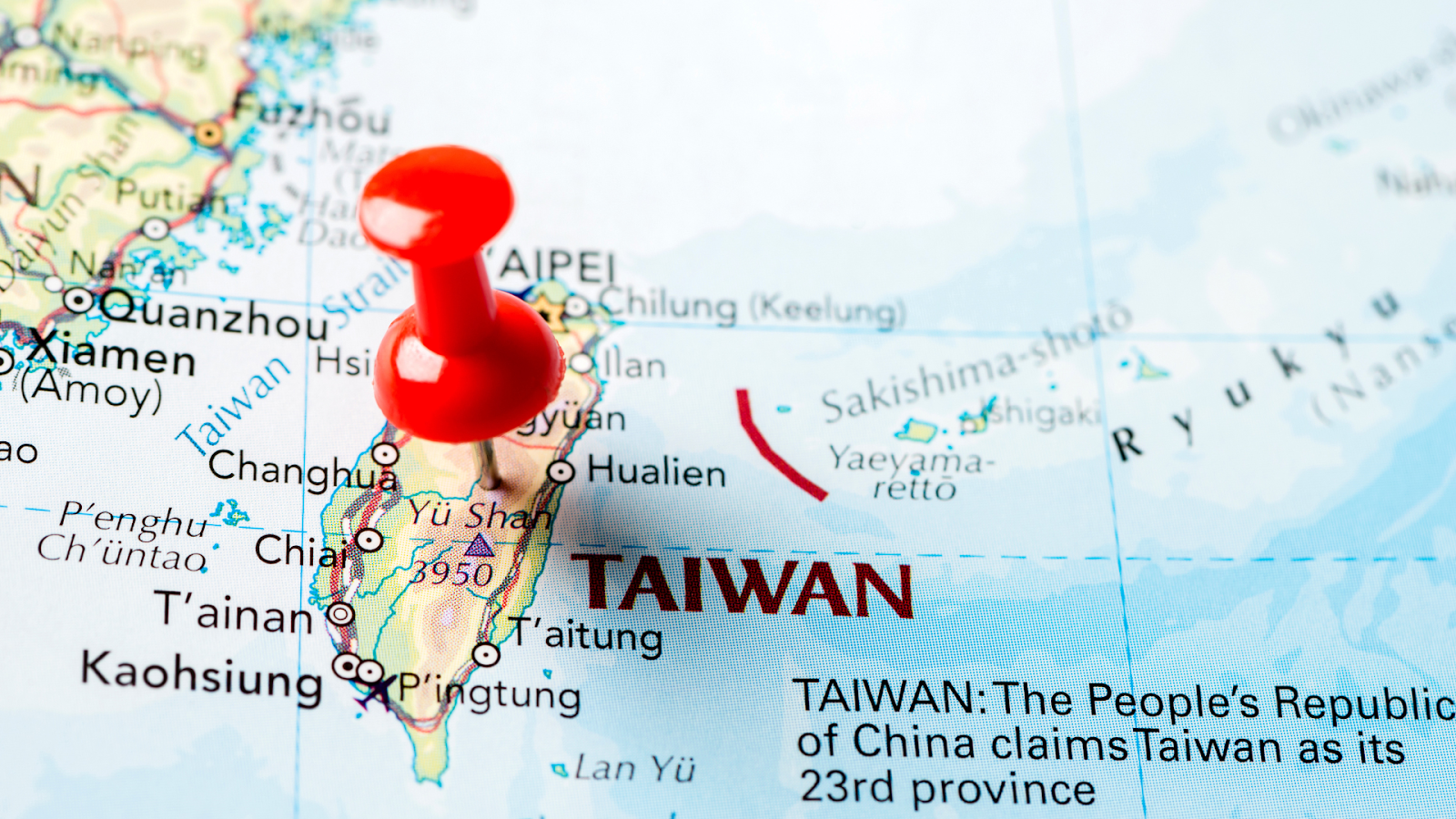
Holiday windows can disrupt HR, payroll, and customer commitments, especially when managing cross-border employment in Taiwan. Focus on the four areas below to keep operations stable and compliant.
Extended Breaks
In 2026, there are several long weekends throughout the year, including the Lunar New Year, which can have up to 9 days off. The long breaks could impact key operations like production, customer service, and regional collaboration.
- Employers should refer to the 2026 Work Calendar announced by the DGPA for HR planning.
- Freeze major releases and production 3-7 days before high-traffic holidays and discuss shift rotation and paid time off rules with key stakeholders.
- Set up A/B shifts and an on-call roster with minimum staffing during long weekends.
- Communicate and document overtime/time-off-in-lieu rules to minimize disputes.
Payroll Processing
Banks and public offices are closed during Taiwan’s public holidays, which can delay payouts. Employers are also required to make payment at least once a month (or twice a month) and no later than 15 days after the pay period ends.
- Move the payout date forward by 1 to 2 days when it falls on a public holiday.
- Communicate with your bank to ensure availability for wire transfers.
- Mark long weekends on your HR and finance calendars so you can prepare ahead.
Make-Up Workdays
Taiwan previously used Saturday-adjusted workdays as make-up days to balance long breaks. In 2025, the DGPA announced that Saturday make-up workdays would be dropped, restoring a normal 5-day work week around public holidays.
Under the Labor Standards Act (LSA), employers must provide 1 regular day off and 1 rest day in each work week, with Saturday commonly treated as the rest day. However, employers also have the flexibility to allocate 2 normal working days to other working days within 2-8 weeks, depending on the sector. While companies may choose not to schedule work on adjusted days, if they do, overtime rules still apply, and attendance must be recorded. We recommend publishing shifts and rosters 2-3 weeks in advance to avoid overstaffing.
Contractor Schedules
Independent contractors are not covered by the LSA. Use the Ministry of Labor’s 25-item checklist to assess the degree of subordination and avoid misclassification. To keep contractors from drifting into full-time employment, define deliverables, service windows, and holiday/weekend rates clearly in the contract/SOW, since LSA obligations may apply if a contractor is deemed an employee.
4. Employer Obligations in Taiwan
Below is a summary of what is required by law and common pitfalls for each area:
|
Topics
|
Required by law
|
Common pitfalls
|
|
1. Statutory Paid Holidays
|
Grant leave and full pay for official public holidays as announced by the DGPA (and recognized by the MOL).
|
Treating a public holiday as a normal workday or failing to update internal calendars to align with DGPA adjustments (e.g., make-up days).
|
|
2. Holiday Work & Overtime
|
National Holidays: Pay regular wage + an additional 100% wage for the first 8 hours. Hours beyond 8 follow standard OT rates.
|
Applying regular workday overtime rates on a public holiday, or unilaterally forcing employees to take compensatory time-off (Comp Leave) instead of paying overtime.
|
|
3. Leave Entitlement
|
Annual leave is distinct from public holidays. Any unused leave at year-end must be converted to cash, unless deferral is mutually agreed upon.
|
Offsetting statutory holiday pay with Annual Leave, or rolling over unused leave to the next year without written agreement or documentation.
|
|
4. Contractor Exceptions
|
Contractors are exempt from the LSA only if the relationship is genuinely non-employment (no subordination).
|
Misclassification: Labeling staff as "contractors" while controlling their working hours, location, and methods (creating a "de facto" employment relationship).
|
|
5. Compliance & Recordkeeping
|
Maintain attendance records to the minute and retain payroll/attendance documents for at least 5 years.
|
Relying on informal check-ins instead of precise time logs, or delaying payroll when payment dates clash with long holidays (e.g., CNY).
|
Taiwan’s Labor Standards Act (LSA) sets clear ground rules for which public holidays are paid, how holiday overtime is calculated, and how annual leave interacts with general holidays. Getting these basics wrong will create a ripple effect and cause risks like back-pay, violating compliance, employee disputes, and more.
1. Paid Holidays:
Eligible employees are entitled to 16 statutory paid public holidays under the Labor Standards Act (LSA). Employers are required to provide double wages or time off in lieu when employees are asked to work on a paid public holiday. Publish an annual holiday calendar and apply it consistently across contracts and locations.
2. Overtime Rules:
When employees consent to work on a public holiday, pay double the regular rate for up to eight hours; hours beyond eight follow stepped overtime:
- 1.33× for the 9th-10th hour
- 1.67× for the 11th-12th hour.
- Normal plus extended hours may not exceed 12 per day.
3. Leave Entitlement:
Annual leave and special leave are governed separately from public holidays. Employers should include the benefit rules in the employment contract and announce changes before a new calendar year starts. Note that paid time off (PTO) can’t be swapped with a statutory public holiday.
4. Contractor Exceptions:
Independent contractors are not covered by the LSA. Employers should document the agreed-upon holiday work and rates in the contract/SOW to include deliverables, service windows, and weekend/holiday special rates.
5. Compliance Risk:
Mismanaging holiday pay or overtime calculation is a common challenge for HR teams in Taiwan. Many HR solutions in Taiwan can standardize approval workflows, track public holidays, set work hour thresholds, define pay codes, and automate calculations to reduce compliance and audit risks. You can refer to our employment guide for Taiwan for further insights.
5. Payroll & Compliance Considerations

Holiday periods can compress payroll timelines as banks close, approvals delay, and miscalculations can cascade into underpayment. Below are our recommended best practices for HR leaders:
Align payroll with bank schedules:
Wages must be paid no later than 15 days after the monthly work period ends. To avoid late payments during long breaks, move approval cut-offs and payout dates forward, and coordinate currency exchange and wire-transfer windows for multi-country teams.
Automate holiday & overtime tracking:
Map each holiday to the correct pay code in your HRIS by integrating attendance, leave, and overtime. Set reminders to require manager sign-off for holiday work and lock timesheets before payroll closes.
Document consent for holiday work:
Ensure to acquire written consent from employees to work on a public holiday. Announce and keep records of shift times and compensation for future audits.
Retain records for at least five years:
We recommend using an HRMS to track attendance by minutes. Keep all your attendance, payroll, approvals, and policy acknowledgements records for at least 5 years as required by the Ministry of Labor.
“The most common violation involved failing to pay correct wages for work performed on designated rest days, accounting for 133 cases, the ministry said… followed by failure to provide double pay for work on national holidays (113 cases), and requiring employees to work more than six consecutive days (109 cases), MOL data showed.”
The Ministry of Labor, Taiwan
6. How Slasify Helps Employers in Taiwan
Taiwan has several long weekends and extended breaks in 2026, so you can expect more leave requests and frequent adjustments to payroll schedules. As a trusted Employer of Record (EOR) provider, Slasify offers flexible HR solutions in Taiwan to consolidate and automate hiring, payroll, and compliance:

- Employer of Record (EOR): Hire in Taiwan legally without setting up a local entity. Slasify acts as the legal employer to manage hiring, contracts, onboarding, and compliance, so you can develop the market without heavy upfront investment.
- Payroll Compliance: Slasify tracks and automates the right holiday pay codes, work hours, overtime multipliers, taxes, and benefits during peak holiday breaks to help you stay compliant.
- Policy Guidance: You will have access to a dedicated Account Manager to advise on local regulatory changes and how to structure holiday pay and overtime benefits.
- Cross-Border Support: With complete HR solutions in Taiwan and global payroll capabilities, Slasify supports cross-border employment with compliant onboarding, payroll, and benefits at scale.
7. Conclusion
There are 16 public holidays in Taiwan for 2026, including a 9-day-long break during the Lunar New Year. With complex payroll rules and holiday shift adjustments, employers must have a clear understanding of Taiwan’s compliance requirements.
Whether you are entering Taiwan for the first time or expanding your existing team, Slasify offers comprehensive HR solutions to simplify hiring, onboarding, payroll, and long-term employee benefits, helping you maintain strong employer branding throughout 2026. Talk to our payroll and compliance expert today to get started.
8. FAQ: Employment & Taiwan Public Holidays for 2026

Q1: Are employers required to offer paid holidays in Taiwan?
Yes. Article 24 of the Labor Standards Act (LSA) requires employers to provide rest days with wages on statutory public holidays. If an employee is required to work, the day’s wage must still be paid plus an additional day of wages (double pay).
Q2: How does overtime apply during public holidays in Taiwan?
If an employee works on a statutory holiday, wages must be paid at double for up to 8 hours. Hours beyond 8 are treated as overtime work and paid under Article 24 overtime rates. Note that an employee is only allowed 4 overtime hours on top of the normal 8 hours per day.
Q3: What happens if a public holiday falls on a weekend?
When a public holiday coincides with a regular weekly day off, employers must provide a substitute day off. The DGPA has published Taiwan’s holiday calendar for 2026 with designated day-off dates. There are no weekend-adjusted holidays in 2026, but overtime rules still apply if employees work on an adjusted public holiday.
Q4: Are foreign companies bound by Taiwan’s national holiday laws?
Yes. If you employ staff in Taiwan under an employment relationship, the LSA applies to all employment relationships except family caregivers, self-employed individuals, or seamen on foreign vessels. Note that contractor status is determined by substance and not contract labels.
Q5: How can Slasify help manage multi-region payroll efficiently?
With full-fledged HR solutions in Taiwan, Slasify provides Employer of Record (EOR) and global payroll services to simplify hiring, onboarding, contracts, payroll, benefits, and compliance in accordance with local laws. Slasify supports 130+ currencies and centralizes your HR operations across markets using a single cloud-based platform.